How Sleep Apnea Affects Your Teeth and Gums
A good night’s sleep does more than help you feel rested. Sleep and oral health are closely connected, and certain sleep disorders can contribute to changes in your mouth, teeth, and gums. Sleep apnea, in particular, may be associated with symptoms that your dentist can spot during a routine visit. Because this sleep disorder can have such a massive impact on your smile, it’s good to familiarize yourself with sleep apnea and oral health. Here’s what you need to know about the link.
What Is Sleep Apnea?
Sleep apnea is a sleep disorder in which breathing repeatedly stops and starts during sleep. The most common form, obstructive sleep apnea (OSA), occurs when the muscles and tissues in the throat relax and interfere with airflow. The most common symptoms of obstructive sleep apnea can include:
- Loud, persistent snoring
- Gasping or choking during sleep
- Morning headaches
- Waking with a dry mouth
- Difficulty concentrating
- Excessive daytime sleepiness
- Irritability or changes in mood
The Impact of Sleep Disorders on Dental Health
Sleep apnea can influence oral health in several ways, although the effects can vary from person to person. Get to know the most common impacts of sleep disorders on dental health:
- Dry Mouth: People with sleep apnea may breathe through their mouths while sleeping, particularly if their airway is restricted. This can reduce saliva and lead to persistent dryness, which creates a prime environment for oral health problems.
- Teeth Grinding: There’s a strong bruxism and sleep apnea connection. These conditions often occur together, and repeated grinding or clenching can gradually wear down tooth enamel, leading to tooth sensitivity, jaw discomfort, and morning headaches.
- TMJ Pain: Some people may also deal with discomfort associated with the jaw and temporomandibular joints (TMJ). Because several different conditions can cause these symptoms, sleep apnea isn’t always the culprit. Be sure to talk to your dentist and doctor before assuming a diagnosis.
The Oral Signs Dentists Often Notice
Why see a dentist for sleep apnea rather than a sleep specialist? While a sleep specialist can certainly help, a dentist can identify the oral signs of sleep apnea. During a routine exam, your dentist can look for these potential signs of the condition:
- Dry mouth
- Worn tooth enamel
- Cracked or chipped teeth
- Tooth sensitivity
- Jaw tenderness
- Changes involving the tongue or soft tissues
How Dentists Help Identify Sleep Apnea
If your dentist notices one of the above signs, that doesn’t automatically mean you have sleep apnea. They can have several causes, but they are a reason to look deeper at your condition. Beyond pinpointing symptoms, your dentist’s role in diagnosing sleep apnea might also include asking about your sleep habits. For example, your consultation might involve answering questions about whether you snore, wake with a dry mouth, get morning headaches, or tend to feel tired during the day. If you answer yes to any of these questions, your dentist may refer you to a sleep specialist for further diagnosis.
Is There a Cure for Sleep Apnea?
While there’s no one cure for sleep apnea, you do have several treatment options to manage. After an evaluation, your healthcare team might recommend one of the following:
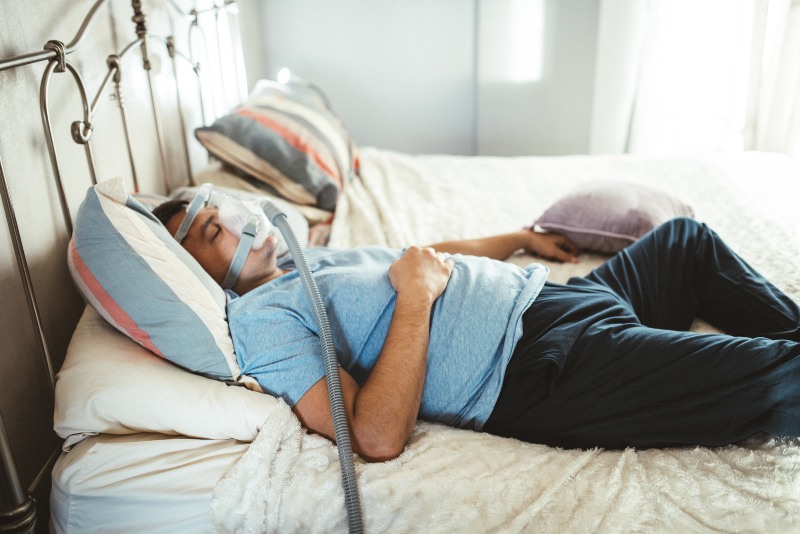
- CPAP Therapy: During continuous positive airway pressure (CPAP) therapy, a machine delivers pressurized air through a mask to help keep the airway open during sleep.
- Oral Appliances: These custom-made devices are worn while sleeping and generally reposition the lower jaw to help maintain an open airway. Your dentist can help fit you for one of these appliances.
- Other Approaches: In addition to CPAP and oral appliances, your healthcare team might suggest lifestyle changes or, in certain cases, medical or surgical treatment.
Tips for Maintaining Oral Health With Sleep Apnea
A sleep apnea diagnosis doesn’t mean your oral health has to suffer. Whether you’re undergoing evaluation for sleep apnea or already receiving treatment, a few habits can help protect your smile:
- Be Consistent About Oral Hygiene: Brush thoroughly twice a day with fluoride toothpaste and clean between your teeth daily with floss or another interdental cleaner.
- Pay Attention to Dry Mouth: Staying hydrated and understanding the causes of dry mouth and sleep apnea are essential. Your dentist can recommend specific oral care products to help you combat a lack of saliva.
- Keep Up With Regular Dental Visits: Routine examinations allow your dental team to watch for changes in tooth wear, gum health, enamel, and other oral tissues.
- Tell Your Dentist About Sleep Apnea Treatment: If you use CPAP or another therapy, keeping your dentist informed provides a better picture of your overall health.
- Monitor Your Oral Appliances: If an oral appliance is part of your sleep apnea treatment, regular follow-ups are important. Your dentist can check the device and monitor your teeth, bite, jaw, and gums for changes.
- Don’t Ignore New Symptoms: Don’t just ignore tooth sensitivity, jaw pain, cracked teeth, or persistent dry mouth. These symptoms deserve attention, especially if they’re getting worse.
Sleep Sound and Smile Bright
Sleep and oral health may seem like separate parts of your well-being, but they’re actually closely connected. Although your dentist can’t diagnose every sleep-related condition, they are a good place to start if you’re dealing with chronic snoring and persistent dry mouth. If your dentist notices any signs of sleep apnea, they can help you get the treatment you need. Get in touch with Rockford Dental Care today to schedule an appointment.