What Causes Yellow Teeth Even with Good Hygiene??
You brush twice a day, floss regularly, and keep up with dental visits, so why do your teeth still look yellow? It can be frustrating when you’re doing everything right for your oral health but aren’t seeing the bright smile you expect.
The good news is that yellow teeth don’t necessarily mean unhealthy or poorly cleaned teeth. Tooth color is influenced by natural anatomy, genetics, aging, diet, medications, and several other factors. Even excellent brushing cannot address every type of discoloration. Understanding the causes of yellow teeth despite brushing is the first step toward choosing an appropriate treatment.
Why Teeth Are Not Naturally Pure White
One of the biggest misconceptions about healthy teeth is that they should be bright white.
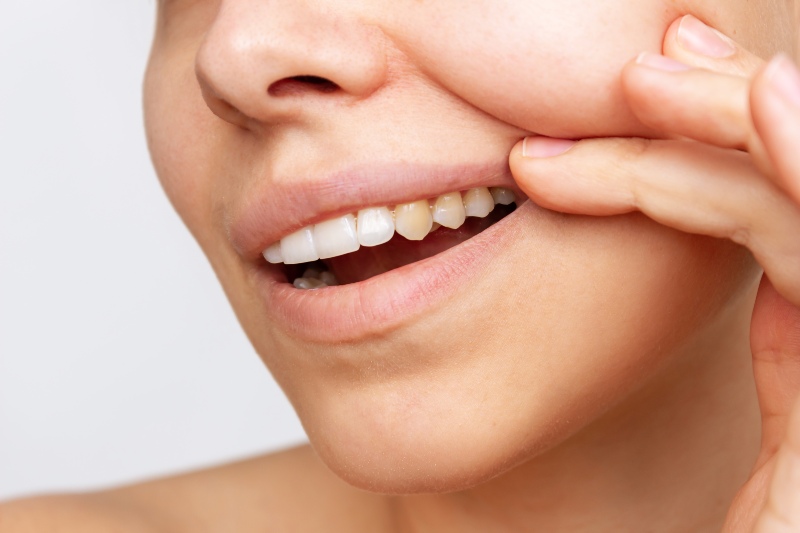
Natural teeth are made of several layers. Enamel forms the hard outer surface, while dentin lies underneath. Dentin naturally has a yellowish color, and enamel has some translucency, meaning the underlying dentin contributes to the shade you see. As enamel changes or wears with age, more of the underlying dentin may become visible, making teeth appear increasingly yellow.
So, if your smile is somewhat ivory, cream, or yellowish, it doesn’t automatically indicate a problem. Your natural tooth color is unique to you.
Common Causes of Yellow Teeth Despite Good Oral Hygiene
If you have wondered why teeth discolor even with good oral care, several factors may be responsible. These can include:
- Aging: Even people with excellent dental hygiene can notice their teeth becoming darker as they get older. Age-related changes in enamel and dentin can make the underlying yellow tones more noticeable.
- Foods and Beverages: Some of the most common foods and habits that cause yellow teeth include regular consumption of coffee, tea, red wine, cola, dark fruits, and other highly pigmented foods and drinks.
- Tobacco: Smoking and chewing tobacco can contribute to stubborn surface staining. Tobacco use is recognized by the ADA as an important behavioral factor associated with extrinsic tooth discoloration.
- Genetics: Not everyone starts with the same tooth shade. There are also genetic causes of tooth discoloration such as dentinogenesis imperfecta and amelogenesis imperfecta, as potential systemic causes of intrinsic staining.
- Medications and Developmental Factors: Certain antibiotics and excessive fluoride exposure during childhood can affect tooth color. Fluorosis, for example, is a developmental cause of staining.
- Previous Tooth Trauma: An injury can sometimes cause internal tooth discoloration even long after the initial accident. Unlike a coffee stain, this change develops within the tooth rather than sitting on its surface.
Understanding Intrinsic vs. Extrinsic Tooth Stains
Determining the difference between intrinsic vs. extrinsic tooth stains can make it easier to understand why brushing doesn’t always brighten your smile.
Extrinsic stains develop on the tooth’s outer surface. Common contributors include:
- Coffee and tea
- Red wine
- Dark-colored foods and beverages
- Tobacco
- Certain environmental exposures
Many surface stains can be reduced through mechanical approaches such as whitening toothpaste or professional dental cleaning.
Intrinsic discoloration, on the other hand, occurs within the enamel or dentin. Potential causes include aging, fluorosis, genetic conditions, and other changes affecting the tooth itself.
Medical Conditions Linked to Tooth Discoloration
Certain health and developmental conditions can also affect the appearance of teeth. Celiac disease, liver disease, metabolic disorders, cancer treatments, and developmental conditions such as fluorosis are among possible factors associated with discoloration.
That doesn’t mean yellow teeth are usually the result of an underlying illness. In many cases, discoloration relates to natural tooth structure, aging, or surface staining. An unexpected change, particularly one involving a single tooth, deserves professional evaluation.
How Dentists Determine the Cause
Before deciding how to whiten yellow teeth effectively, it’s important to determine why the teeth are discolored in the first place.
Our dental team can examine whether discoloration appears to be primarily on the enamel surface or originates deeper within the tooth. Your dental and medical history may also provide important clues, such as a previous dental injury, medication history, existing restorations, or longstanding discoloration.
Treatment Options for Yellow Teeth
There isn’t one whitening treatment that works equally well for everyone. Some alternate options for yellow teeth include:
- Professional Dental Cleaning: When discoloration is primarily caused by plaque or external staining, a professional cleaning can help remove buildup and certain surface stains that regular brushing doesn’t address.
- Whitening Toothpaste: Whitening toothpaste generally targets surface stains rather than fundamentally changing the intrinsic color of a tooth.
- At-Home Whitening: Over-the-counter products include whitening strips, gels, and other peroxide-based options. Dentist-supplied custom trays are another at-home approach.
- Professional Teeth Whitening: Whitening procedures performed in the dental office offer another option for suitable patients. Hydrogen peroxide and carbamide peroxide are commonly used whitening agents.
Prevention Tips
You can’t prevent every change in tooth color, but you can minimize many sources of surface staining. Follow these oral healthcare tips at home:
- Brush consistently with fluoride toothpaste.
- Clean between your teeth daily.
- Maintain regular professional dental cleanings.
- Limit frequent exposure to strongly pigmented foods and beverages.
- Rinse with water after coffee, tea, red wine, and other staining drinks.
- Avoid smoking and chewing tobacco.
- Discuss whitening products with your dentist before beginning treatment.
When Yellow Teeth May Indicate a Bigger Problem
Gradual, relatively even yellowing across your smile is different from a tooth that suddenly changes color. Schedule a dental evaluation if you notice unexplained or worsening discoloration, especially when only one tooth is affected or the change follows an injury. Because trauma is a recognized cause of intrinsic tooth discoloration, a dentist can determine whether the change is purely cosmetic or requires treatment.
You should also mention discoloration accompanied by tooth pain, sensitivity, swelling, or other new oral symptoms.
A Healthy Smile Doesn’t Have to Be Pure White
Rockford Dental Care boosts smile throughout Rockford, IL. If your teeth look yellow despite good oral hygiene, don’t assume you’re doing something wrong. Healthy teeth naturally vary in color, and genetics, aging, enamel characteristics, staining foods and drinks, medications, and tooth development can all influence their appearance.
If you’re concerned about the color of your smile, schedule an appointment with your dentist. By identifying the source of the discoloration first, your dental team can recommend a safe, personalized approach to achieving a healthier, brighter-looking smile.