Are Charcoal Toothpastes Safe?
Activated charcoal toothpaste has become one of the most popular whitening trends, promising brighter teeth, fresher breath, and a detoxified smile. The jet-black foam looks dramatic, and the before-and-after photos can be convincing. Many patients wonder about the safety of long-term use of charcoal toothpaste. This guide covers the benefits and risks of activated charcoal toothpaste, what research shows, and what dentists recommend instead.
What Is Charcoal Toothpaste?
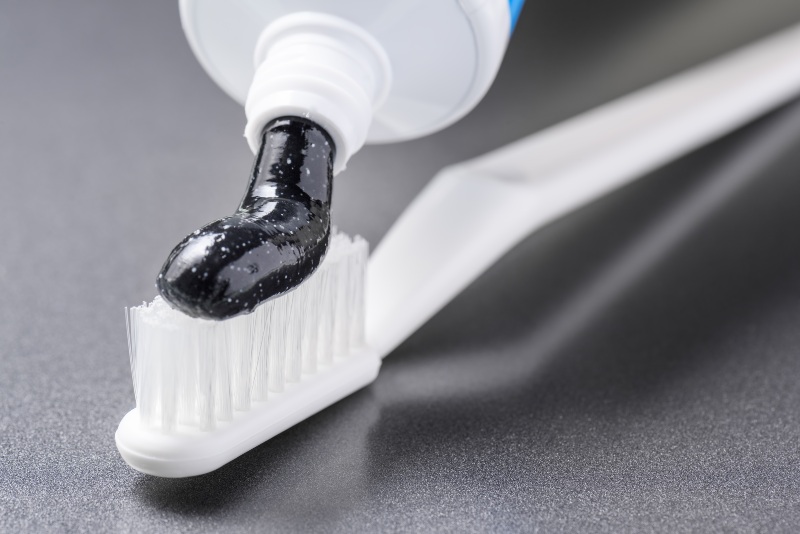
Charcoal toothpaste contains activated charcoal. This fine black powder is usually made from coconut shells, wood, peat, or other natural materials that are heated to very high temperatures. That process gives the charcoal a highly porous surface that can bind to other substances.
Activated charcoal has real medical uses, such as treating certain poisonings in emergency settings. In toothpaste, manufacturers use it as a mild abrasive and a surface-stain absorber. Some formulas also contain fluoride, but many “natural” charcoal products leave it out entirely.
Why People Use Charcoal Toothpaste
Charcoal toothpaste is taking the world by storm for a reason. Some of these reasons include:
- Whitening Appeal: Many people want a brighter smile without the cost of professional whitening.
- Natural Branding: Charcoal is often marketed as a clean, chemical-free alternative.
- Social Media Influence: Viral videos and influencer endorsements have made it a trendy beauty product.
- Detox Claims: Some brands say charcoal “pulls toxins” from the mouth.
- Affordability: It’s inexpensive and easy to find online or in stores.
Potential Benefits of Charcoal Toothpaste
To be fair, charcoal toothpaste isn’t entirely without merit. The possible benefits include:
- Surface Stain Removal: Its abrasive texture can scrub away some surface stains from coffee, tea, red wine, and tobacco.
- Temporary Brightening: Removing surface stains can make teeth look slightly brighter for a short time.
- Possible Odor Control: Charcoal’s absorbent properties may help reduce some odor-causing compounds, although evidence for this is limited.
The Risks Dentists Want You to Know
The biggest concern of charcoal toothpaste is that it may damage enamel. Charcoal can be abrasive, and brushing with it regularly may wear down tooth enamel over time. Enamel doesn’t grow back. As it thins, more of the yellowish dentin underneath shows through, so your teeth can actually end up looking more yellow. Other side effects of charcoal toothpaste may include:
- Tooth Sensitivity: Thinner enamel can leave teeth more sensitive to hot, cold, and sweet foods.
- Gum Irritation: Gritty particles can irritate gum tissue and may contribute to gum recession.
- Lack of Fluoride: Many charcoal toothpastes don’t contain fluoride, which is essential for preventing cavities.
- Staining of Dental Work: Charcoal particles can get trapped in the margins of fillings, crowns, veneers, and bonding, leaving gray or black lines.
- Unclear Abrasiveness Levels: Many products don’t disclose how abrasive they are, so it’s hard to know how harsh they are on teeth.
What Research Says About Charcoal Toothpaste
Scientific support for charcoal toothpaste is limited. A 2017 literature review published in The Journal of the American Dental Association found insufficient clinical and laboratory evidence to support the safety and effectiveness claims made for charcoal-based dentifrices. A 2019 review in the British Dental Journal reached a similar conclusion. It also raised concerns about missing fluoride and the potential for abrasion.
Overall, the research suggests charcoal toothpaste may remove some surface stains but is no more effective than many standard whitening toothpastes. Its long-term safety also hasn’t been well established. More rigorous, long-term studies are needed before dentists can recommend it with confidence.
Marketing Claims vs Reality
The marketing claims for charcoal toothpaste often state charcoal can do wonders for your teeth. Some of these claims vs reality include:
- Whitens Teeth Naturally: It only removes some surface stains and doesn’t change your natural tooth shade.
- Detoxifies Your Mouth: There’s no strong evidence that charcoal removes toxins from the mouth.
- Safe for Daily Use: Its long-term safety is unproven, and abrasion is a real concern.
- Kills Bacteria: Evidence for this is limited. Fluoride toothpaste and good brushing habits are proven to protect oral health.
- All-Natural Is Better: Natural doesn’t always mean safe or effective for teeth.
Who Should Avoid Charcoal Toothpaste?
If you’re unsure whether charcoal toothpaste is right for you, ask your dentist at your next dental checkup. Charcoal toothpaste is especially risky for people who:
- Have thin or worn enamel
- Experience tooth sensitivity
- Have gum recession or gum disease
- Have crowns, veneers, fillings, or bonding
- Are prone to cavities and need fluoride protection
- Wear braces or other orthodontic appliances
- Are children, whose enamel and developing smiles need gentle care
Dentist-Approved Alternatives for Whitening
If you want a whiter smile without risking your enamel, we can help you find safer, more effective options. These may include:
- Professional In-Office Whitening: Professional whitening delivers noticeable results quickly, with professional supervision.
- ADA-Accepted Whitening Toothpaste: Look for fluoride-containing products with the ADA Seal of Acceptance.
- Regular Professional Cleanings: Routine dental cleanings safely remove plaque, tartar, and surface stains.
- Cosmetic Treatments: Veneers or bonding can address deep, stubborn discoloration that whitening can’t fix.
- Stain-Prevention Habits: Rinse after drinking coffee, tea, or wine, use a straw when you can, and avoid tobacco.
Contact Rockford Dental Care
Rockford Dental Care puts your oral healthcare first for patients in Rockford, IL. Charcoal toothpaste is amazing at lifting surface stains, but it’s important to note its risks include enamel wear, sensitivity, gum irritation, and missing cavity protection. In most cases, those risks outweigh the modest cosmetic benefit.
The good news is that you don’t have to choose between a bright smile and a healthy one. Dentist-approved whitening options are safer, more predictable, and longer-lasting. Ready for a brighter, healthier smile? Schedule an appointment with our team today, and we’ll help you find the whitening option that’s right for you.